Characterize Waste Streams
3
Feedstock characteristics compared
Waste streams characterized against your target requirements.
Feedstocks Material Intelligence
A computational approach for exploring waste-derived materials within manufacturing constraints across concrete, masonry, and industrial byproduct streams. Our platform identifies promising pathways using characteristics and performance requirements.
Get Started
Compare waste streams against available feedstocks and target product requirements across concrete, masonry and byproduct applications.
3
Feedstock characteristics compared
Waste streams characterized against your target requirements.
4
Development targets considered
Variability weighed alongside manufacturing equipment constraints.
R&D
Intelligence for material development
Physical experiments prioritized for practical manufacturing validation.
Our platform does the analysis, so your team can focus on the materials and products that matter most.


CHARACTERIZE
We characterize your waste streams and compare them against available feedstocks and target product requirements.

EVALUATE
We consider material variability alongside your manufacturing equipment so recommendations stay practical for your operations.

VALIDATE
Our computational recommendations point to the most promising formulations, and physical experiments confirm them before scale-up.
From the first mix to the final trade-off, the same intelligence follows your feedstocks through formulation, processing, validation and optimization.

FORMULATIONS
Compare feedstock combinations against your performance, cost and carbon targets before any mix reaches the lab.

PROCESSING
Map processing constraints against material interactions and performance targets before production changes begin.
VALIDATION
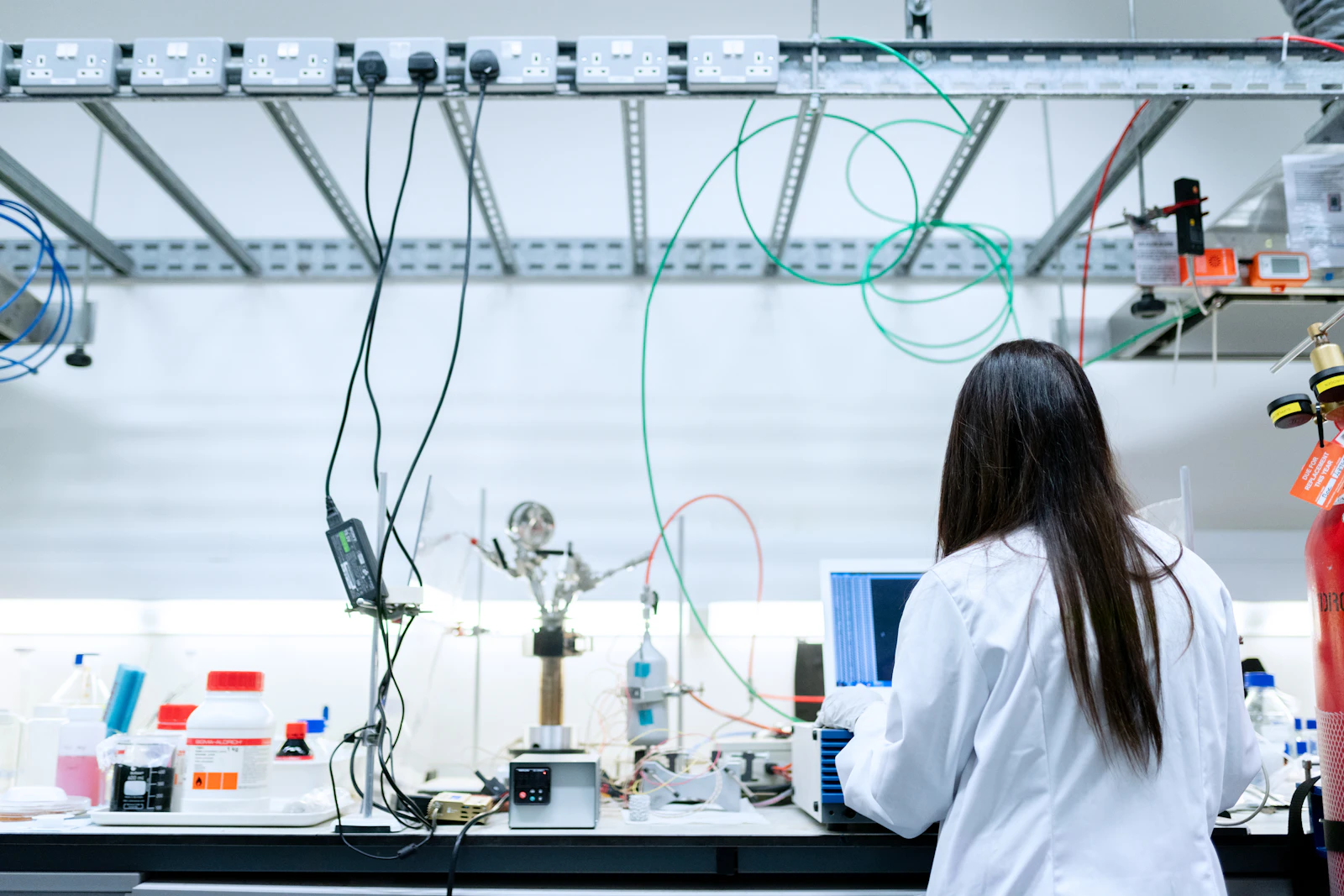
Rank candidate formulations and test the strongest options first, so every experiment answers a clear question.

OPTIMIZATION
Set performance, cost and carbon targets together, then find the materials that balance all three.
Our models are being trained to connect waste stream characteristics with material performance, so promising feedstocks surface before lab work starts.
Learn how feedstock chemistry, mix design and processing shape performance.
Estimate strength, durability, cost and carbon before a batch is made.
Suggest the next tests that teach the models the most, so fewer trials are wasted.
Every physical result feeds back to sharpen the next recommendation.


WHY FEEDSTOCK INTELLIGENCE MATTERS
Waste streams hold value most plants never measure.
Feedstock sourcing
Better feedstocks. Smarter formulations. Better materials ahead.
Start Your Feedstock ReviewEvery feedstock you explore and every formulation we recommend starts with your manufacturing.
Construction and industrial waste represents a major material development opportunity.
Estimated opportunity across construction materials.
Estimated construction material market size.
Estimated urban construction materials opportunity for manufacturers.
Clear answers to the top questions customers ask before getting started.
We assess concrete, masonry, and industrial byproduct streams, using their characteristics and the performance your product requires.
No. We start with the feedstock details, equipment and goals you are comfortable sharing, and expand the analysis as the work progresses.
We track how properties change across batches and sources, and build those ranges into every recommendation we make.
Usually not. Recommendations are designed around the equipment you already run, so the path to validation stays practical.
A first review can be shared within a few weeks, depending on how much data is available and how many streams are involved.
Share your feedstocks, equipment and goals. We will identify promising pathways for your next material development.